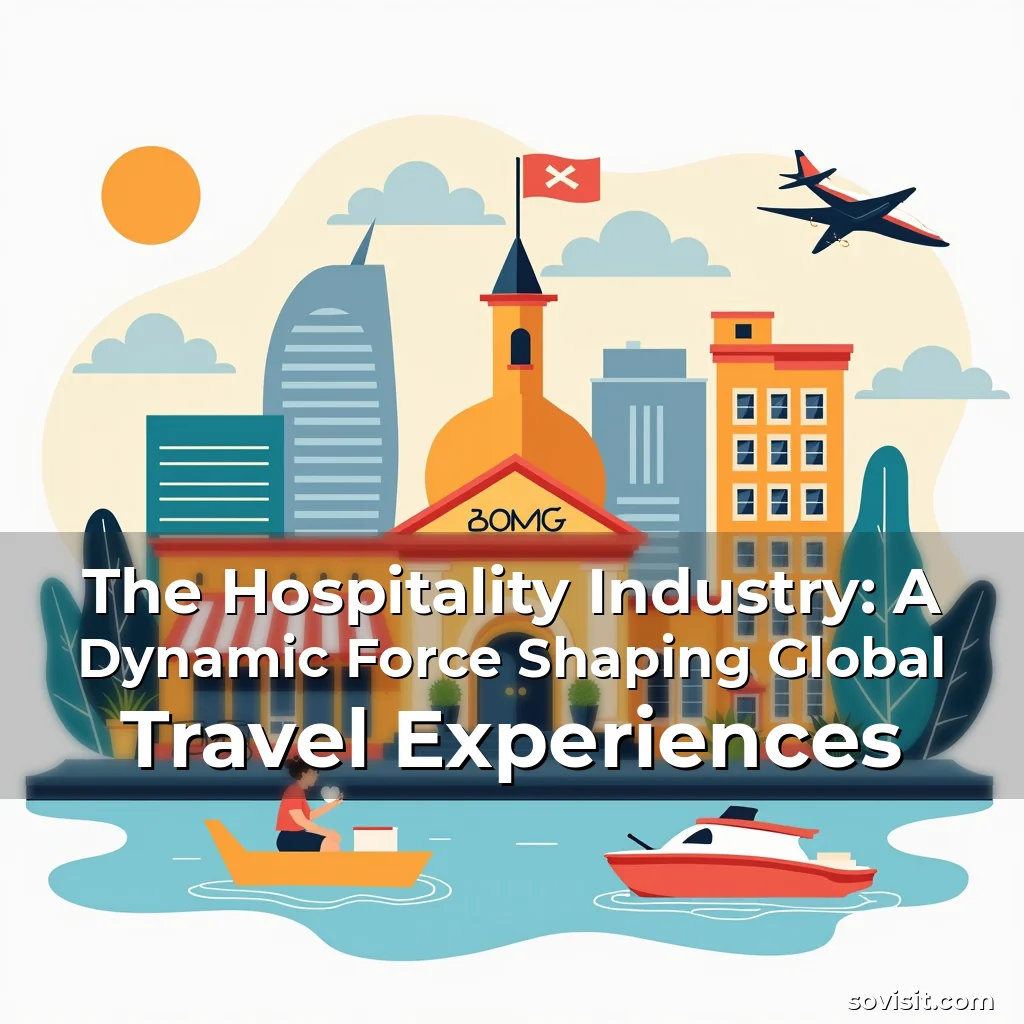
The Hospitality Industry: A Dynamic Force Shaping Global Travel Experiences
In an era defined by connectivity and cultural exchange, the hospitality industry stands at the intersection of commerce, service, and human connection. From luxury resorts to budget hostels, hotels to cruise lines, this sector encompasses millions of businesses worldwide.
With over 68 million people employed globally in hospitality roles, the industry fuels economic growth through tourism, event management, and experiential services. Its impact extends far beyond accommodations, influencing everything from local economies to global travel patterns.
Understanding the Core Components of Modern Hospitality
The hospitality industry operates across diverse segments, each serving unique traveler needs while contributing to regional development. Accommodation providers form the backbone of this ecosystem, but ancillary services create memorable experiences that drive repeat business.
Lodging establishments range from boutique hotels offering personalized service to mega-resorts featuring golf courses and spas. Meanwhile, catering enterprises span fine dining restaurants to airport food courts, reflecting the sector’s vast reach.
- Travel agencies facilitate seamless journeys by curating packages that combine transportation, lodging, and activities
- Cruise companies offer floating cities with onboard entertainment, dining, and port excursions
- Event planners orchestrate weddings, conferences, and festivals requiring specialized venue coordination
- Retail outlets within airports and hotels provide convenience goods essential for modern travelers
Economic Impact and Employment Opportunities
This industry generates significant revenue streams while creating employment opportunities across skill levels. In 2023 alone, global hospitality spending reached $9.3 trillion, demonstrating its crucial role in national economies.
Developed nations benefit from high-value tourism expenditures, whereas emerging markets see growth through affordable accommodation options. Both scenarios highlight the sector’s adaptability to different economic contexts.
Jobs Across the Hospitality Spectrum
Hospitality careers span front-line positions like concierges and servers to managerial roles overseeing operations. Technical fields such as hotel engineering also play vital roles in maintaining infrastructure standards.
Entry-level jobs often serve as gateways to advancement, with many professionals moving into leadership positions after gaining experience. Vocational training programs help bridge skills gaps in areas like customer service and digital literacy.
Technological Transformations Reshaping Hospitality
Digital innovation has revolutionized how businesses interact with guests and manage operations. Mobile check-in systems, AI-powered chatbots, and smart room controls now enhance efficiency and guest satisfaction simultaneously.
Data analytics enables personalized marketing strategies that increase conversion rates. Loyalty program algorithms can predict consumer behavior patterns better than traditional methods ever could.
- Virtual reality tools allow property previews before booking decisions
- Biometric authentication streamlines security processes at upscale venues
- Blockchain technology secures transactions and verifies authenticity of experiences
- IoT devices monitor energy usage to reduce operational costs
Navigating Challenges in Contemporary Hospitality
The post-pandemic landscape presents both obstacles and opportunities for hospitality professionals. While demand remains strong, managing expectations around health protocols continues to require careful balancing acts.
Supply chain disruptions affect everything from linen procurement to ingredient sourcing for kitchens. Rising labor costs combined with increased competition further complicate profit margins for small operators.
Sustainability Initiatives Redefining Standards
Environmental responsibility has become non-negotiable for forward-thinking organizations. Green certifications like LEED and EarthCheck encourage practices ranging from energy-efficient lighting to water conservation measures.
Many hotels implement waste reduction programs by partnering with local recycling centers. Others invest in renewable energy sources like solar panels to decrease carbon footprints significantly.
Future Trends Driving Innovation
As artificial intelligence advances, we’re witnessing smarter solutions emerge across various functions. Chatbot platforms handle routine inquiries, freeing staff for higher value interactions. Predictive maintenance systems prevent equipment failures before they occur.
Augmented reality applications enable interactive wayfinding within complex properties. Contactless payment systems continue evolving toward frictionless transaction experiences that prioritize safety and speed.
- Virtual concierge assistants anticipate guest preferences based on historical data
- Smart thermostats adjust temperatures according to individual comfort settings
- Fleet tracking software optimizes transportation logistics for tour operators
- AI-driven pricing models dynamically adjust rates based on real-time demand fluctuations
Global Perspectives on Cultural Exchange Through Hospitality
Hospitable environments foster cross-cultural understanding when executed thoughtfully. Language barriers dissolve naturally during shared meals or guided tours that emphasize local traditions.
Accommodations increasingly feature culturally immersive elements like artisan workshops or heritage site visits. This approach transforms standard stays into educational journeys that enrich travelers’ worldviews.
- Cultural sensitivity training equips staff to engage respectfully with international guests
- Local cuisine experiences promote appreciation for regional culinary traditions
- Community-based tourism initiatives support indigenous populations economically
- Historical context provided by guides enhances visitor engagement with destinations
Educational Pathways for Aspiring Professionals
Formal education plays a pivotal role in preparing individuals for successful careers in hospitality. Degree programs cover topics from hospitality law to restaurant management, providing comprehensive knowledge bases.
Vocational schools offer hands-on training through internships and apprenticeships. Certifications in areas like wine service or spa therapy add competitive advantages in specialized niches.
- Online learning platforms provide flexible credentialing options for working professionals
- Industry-specific associations offer networking opportunities and professional development resources
- Mentorship programs connect newcomers with experienced practitioners
- Experiential learning modules simulate real-world scenarios encountered daily
Conclusion
The hospitality industry remains a vibrant force shaping global travel landscapes through continuous adaptation and innovation. Its ability to evolve with changing consumer demands ensures sustained relevance in an interconnected world.
For those considering careers in this field, embracing lifelong learning and staying attuned to emerging technologies will be crucial. By focusing on exceptional guest experiences while maintaining fiscal responsibility, hospitality professionals can thrive in this dynamic environment.