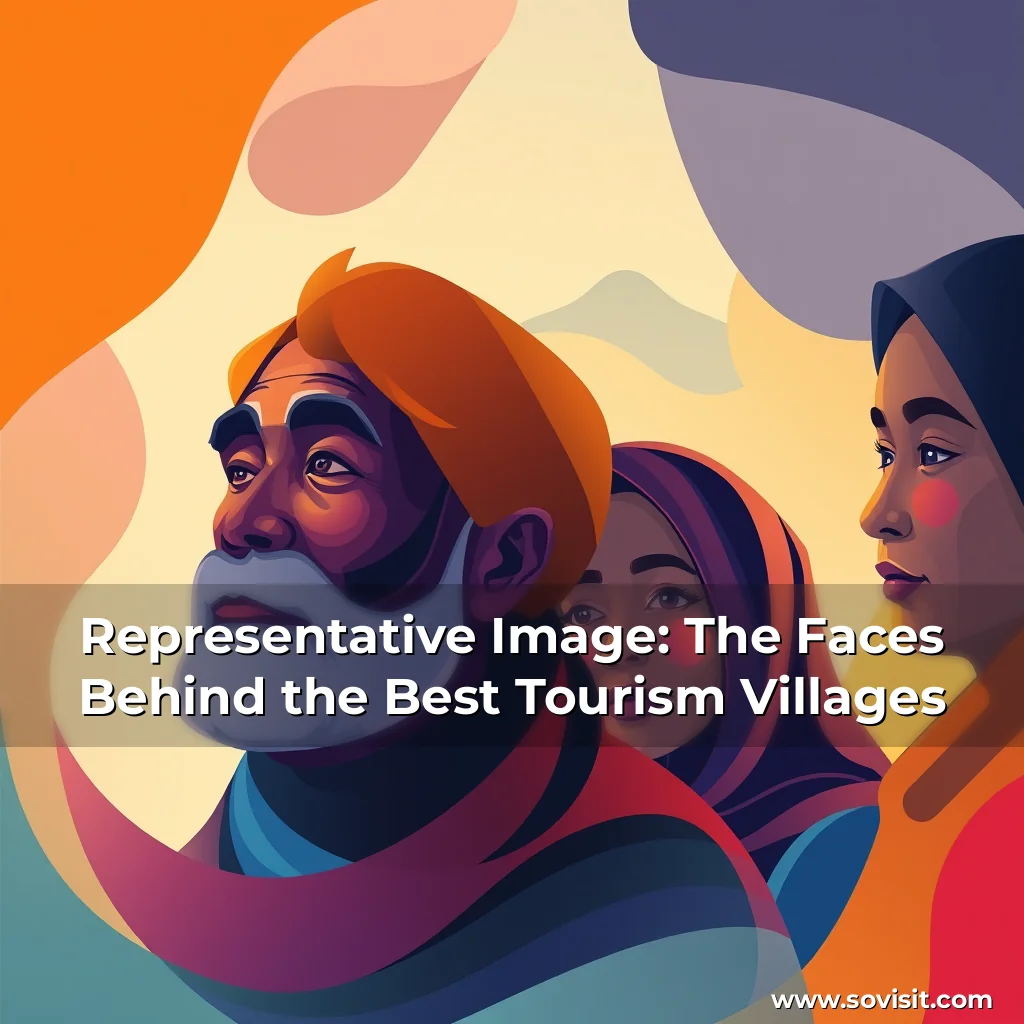
Across the Middle East, women in rural communities are leading the way in shaping inclusive, sustainable, and locally rooted tourism, preserving cultural heritage and fostering sustainable economic growth. The Best Tourism Villages by UN Tourism in the region are exceptional examples of women-led rural innovation, transforming tourism into a driver of inclusive development.
The Best Tourism Villages Initiative: A Platform for Recognition and Support
- Launched by UN Tourism, the initiative has identified over 800 applications from more than 100 countries, with a global network of 254 villages from nearly 60 countries, including standout communities in the Middle East.
- Since its inception, the programme has received international recognition and has been endorsed by the United Nations General Assembly.
These remarkable villages are not just examples of sustainable tourism, but they are also hubs for community-led initiatives, where local women are taking the lead in shaping the tourism industry. From reviving ancestral crafts to leading community kitchens and handicraft cooperatives, these women are demonstrating that rural tourism is not just about place—it’s about people.
Women Leading Rural Development in the Middle East
| **Location** | **Examples** |
| Saudi Arabia | Abo Noghta & Historic Tabab |
| **Jordan** | Umm Qais |
| **Egypt** | Dashour |
| **Egypt** | Siwa |
| **Egypt** | Abu Ghosoun |
| **Egypt** | Gharb Suhayl |
In Abo Noghta & Historic Tabab, Saudi Arabia, women are preserving and commercializing traditional Saudi garments, including abayas and headpieces. In Umm Qais, Jordan, women are reshaping local tourism through community kitchens, soap-making workshops, and handicraft production, with a focus on accessibility and support for children with disabilities. In Dashour, Egypt, women are leading a revival of Egypt’s traditional craft economy, with nearly 250 women trained under the Badara Project to transform palm fronds and Halfa grass into carpets, bags, and cloaks. Similarly, in Siwa, Egypt, the Baddara project has empowered women to turn agricultural waste into high-value crafts, creating jobs and reviving traditional embroidery. In Abu Ghosoun, Egypt, women from the Ababda tribe have established a vibrant handicrafts center, supported by the local community and international organizations. In Gharb Suhayl, Egypt, a revitalization of traditional wicker and embroidery crafts has trained over 300 women, building viable craft-based enterprises and marketing their products to Egyptian and international visitors.
The Impact of the Best Tourism Villages Initiative
- Supporting the Sustainable Development Goals
- Empowering Women
The Best Tourism Villages initiative contributes directly to the 2030 Agenda for Sustainable Development, particularly Goal 5 (Gender Equality) and Goal 8 (Decent Work and Economic Growth).
By recognizing and supporting women-led initiatives, the programme strengthens not only the local tourism sector but also the fabric of rural life, promoting gender equality and inclusive development.
The initiative provides a platform for these villages to showcase their unique cultural heritage and traditions, generating new revenue streams and creating jobs. Moreover, it facilitates access to international visibility, knowledge-sharing, technical support, and partnerships that help scale community-led solutions. As the Best Tourism Villages initiative continues to grow, the role of women as custodians of tradition, entrepreneurs of the present, and architects of rural futures will only continue to strengthen, transforming tourism into a true driver of inclusive development.
These exceptional women are not just representing their communities; they are representing a new generation of leaders who will shape the future of rural tourism and sustainable development in the Middle East.
Conclusion
In the Middle East, women in rural communities are leading the way in shaping inclusive, sustainable, and locally rooted tourism. The Best Tourism Villages by UN Tourism in the region are exceptional examples of women-led rural innovation, contributing directly to the 2030 Agenda for Sustainable Development and promoting gender equality and inclusive development. As the initiative continues to grow, the impact of these remarkable women will only continue to be felt, transforming tourism into a true driver of inclusive development.
The future of rural tourism and sustainable development in the Middle East is bright, and it is being shaped by the faces behind the Best Tourism Villages.
The Best Tourism Villages initiative is a shining example of how women-led initiatives can drive sustainable development and promote inclusive tourism. As the region continues to grow and evolve, the importance of recognizing and supporting these women will only continue to grow. They are not just representing their communities; they are representing a new generation of leaders who will shape the future of rural tourism and sustainable development in the Middle East. The initiative has received international recognition and has been endorsed by the United Nations General Assembly, highlighting its significance and impact on the region. As the programme continues to expand, it will provide more opportunities for women-led initiatives to showcase their unique cultural heritage and traditions, generating new revenue streams and creating jobs. The Best Tourism Villages initiative is a testament to the power of women-led innovation and the impact it can have on rural development and sustainable tourism. As we look to the future, it is clear that the faces behind the Best Tourism Villages will play a vital role in shaping the future of rural tourism and sustainable development in the Middle East.

news is a contributor at SoVisit.com. We are committed to providing well-researched, accurate, and valuable content to our readers.
You May Also Like