The Ultimate Traveler’s Playground: Exploring the World Through Immersive Tourist Activities
Tourism isn’t merely about ticking off landmarks—it’s about experiencing life through the lens of curiosity, connection, and discovery. From adrenaline-pumping adventures to serene cultural exchanges, tourist activities have evolved into dynamic opportunities for personal growth, storytelling, and shared human experiences.
Whether you’re scaling mountains, savoring exotic cuisines, or diving into ancient traditions, the world offers countless ways to engage deeply with your surroundings. These activities aren’t just pastimes; they’re gateways to understanding diverse cultures, ecosystems, and histories.
Adventure Tourism: Pushing Boundaries Beyond the Ordinary
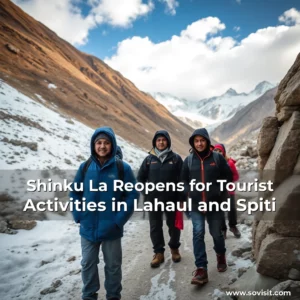
Adventure tourism has transformed from niche pursuits into mainstream attractions, drawing thrill-seekers who crave challenges that test their limits. Activities like skydiving over scenic landscapes, white-water rafting down roaring rivers, or hiking remote trekking routes now define modern explorations.
What makes these experiences unforgettable? Their ability to create moments of pure exhilaration, combined with the sense of accomplishment after overcoming fears. For instance, paragliding above Swiss Alps or snorkeling in the Great Barrier Reef offers both physical stimulation and awe-inspiring natural beauty.
- Risk Assessment: Adventure seekers must prioritize safety by researching equipment quality, guide expertise, and weather conditions before embarking on high-risk activities.
- Sustainability Focus: Many adventure tour operators now emphasize eco-conscious practices, ensuring minimal environmental disruption while preserving pristine destinations for future generations.
Cultural Immersion: Bridging Worlds Through Shared Traditions
Cultural tourism invites travelers to dive into the heart of communities, offering immersive experiences far removed from superficial observation. Participating in local rituals, attending folk performances, or even joining craft workshops provides authentic connections that transcend language barriers.
A prime example is Japan’s tea ceremonies, which teach visitors about mindfulness, hospitality, and centuries-old customs. Similarly, Morocco’s medinas invite explorers to navigate labyrinthine streets while sampling mint tea and bargaining in bustling souks.
The Power of Storytelling in Cultural Exchange
Storytelling lies at the core of many cultural activities, allowing travelers to grasp narratives passed down through generations. Indigenous tribes in Peru share tales around firesides, while Ethiopian coffee ceremonies blend social interaction with ceremonial depth, creating lasting memories.
Such encounters foster empathy and global awareness, challenging stereotypes and encouraging respect for diverse lifestyles. When done responsibly, these interactions become acts of cross-cultural diplomacy rather than voyeuristic spectacles.
Nature-Based Experiences: Reconnecting With Earth’s Wonders
In an era dominated by digital screens, nature-based tourism offers respite through direct engagement with the environment. Whether it’s birdwatching in Costa Rica’s rainforests or stargazing in Chile’s Atacama Desert, these activities cultivate appreciation for ecological systems and biodiversity.
Eco-tours often combine conservation education with hands-on participation, such as coral reef restoration projects or guided wildlife tracking expeditions. These initiatives empower travelers to contribute positively to planetary stewardship while enjoying breathtaking scenery.
Gastronomy as a Passport: Savoring Flavors Around the Globe
Food tourism has risen to prominence, transforming meals into journeys of taste, history, and technique. Culinary enthusiasts flock to regions renowned for their gastronomic heritage, from Italy’s Tuscan wine tastings to Thailand’s street food markets brimming with aromatic delights.
Beyond eating, food-related activities include farm-to-table experiences, sushi-making classes, and spice blending workshops. These engagements demystify ingredients and techniques behind iconic dishes, turning simple meals into profound cultural revelations.
The Economic Impact of Food Tourism
According to UNESCO, food tourism contributes billions annually to economies worldwide, supporting small-scale producers and artisans. In France alone, gastronomy accounts for nearly 6% of annual tourism revenue, underscoring its financial significance.
This sector also faces challenges, including balancing commercialization with authenticity. Sustainable sourcing practices and ethical labor standards have emerged as critical concerns for responsible food tourism advocates.
Urban Exploration: Rediscovering Cities Like a Local
While grand monuments dominate conventional city guides, true urban exploration delves beneath surface-level sights. Discovering hidden speakeasies, tracing graffiti art movements, or mapping out lesser-known museums reveals layers of urban culture rarely showcased in brochures.
Apps like Google Maps’ “Explore” feature and local walking tours curated by historians or artists enable deeper dives into metropolitan identities. Even mundane aspects—like observing morning routines in Tokyo or bartering at Istanbul bazaars—offer rich observational material.
Wellness Retreats: Healing Bodies and Minds Amidst Nature
As stress becomes a global epidemic, wellness tourism caters to individuals seeking rejuvenation through holistic approaches. Yoga retreats in Bali, detox programs in New Zealand’s forests, or Ayurvedic massages in Kerala exemplify this growing trend.
These escapes integrate physical therapies with mental relaxation, emphasizing self-care principles. Participants often report improved sleep patterns, heightened emotional resilience, and renewed motivation post-retreat—a testament to the power of intentional rest.
Family-Friendly Adventures: Creating Memories That Last Generations
Tourism doesn’t solely belong to solo adventurers; families find joy in tailored experiences designed for multi-generational bonding. Theme parks like Disney World or interactive science centers captivate children while educating parents about innovation and creativity.
Other options include scavenger hunts in historic towns, geocaching games, or crafting together in artisan villages. Such activities promote teamwork and intergenerational dialogue, fostering stronger familial bonds amid fun-filled days.
Volunteer Tourism: Giving Back While Gaining Perspective
Voluntourism merges travel with purpose, enabling participants to assist communities while gaining cultural insight. Projects range from teaching English in rural schools to rebuilding homes after disasters, offering transformative experiences for both locals and volunteers alike.
However, ethical considerations remain vital. Responsible voluntourism avoids exploitative dynamics, ensuring projects align with long-term community goals rather than temporary fixes. Certification programs now exist to vet reputable organizations committed to meaningful change.
Seasonal Specialties: Timing Your Journey for Optimal Experiences
Tourist activities vary dramatically across seasons, influencing availability and intensity. Witnessing cherry blossoms bloom in Kyoto, skiing down alpine slopes in Austria, or celebrating Diwali fireworks in India showcase how timing enhances travel enjoyment.
Knowledge of seasonal variations allows travelers to plan strategically—for example, visiting African savannas during dry seasons when game viewing is most rewarding, or exploring European castles when foliage creates picturesque backdrops.
Technology Integration: Enhancing Experiences Through Innovation
Digital advancements revolutionize how tourists interact with destinations. Augmented reality apps overlay historical facts onto ruins, virtual museum tours grant access to rare artifacts, and AI-powered translation devices break language barriers during conversations.
Yet technology shouldn’t overshadow human elements entirely. Balancing smart gadgets with unplugged moments ensures genuine connections remain intact amidst rapid digital progress.
Accessibility Initiatives: Making Tourism Inclusive for All
Mental and physical accessibility defines inclusive tourism, ensuring everyone can participate regardless of abilities. Wheelchair-accessible paths in Machu Picchu, sign-language interpreters at conferences, or sensory-friendly hotel rooms demonstrate strides toward universal design principles.
Advancements continue through adaptive sports programs, Braille signage in public spaces, and transportation services accommodating mobility aids. These efforts reflect evolving societal values towards equity in leisure opportunities.
Conclusion
From daring exploits to quiet reflections, tourist activities encompass an expansive spectrum of possibilities that enrich lives in myriad ways. By embracing diverse forms of engagement, travelers forge deeper understandings of our interconnected world.
So next time you pack your bags, consider approaching your journey holistically—not just as a series of checkpoints, but as an opportunity for transformation through experience, connection, and wonder. The planet awaits your story.

news is a contributor at SoVisit.com. We are committed to providing well-researched, accurate, and valuable content to our readers.